How to Protect your Sensitive Data: A Guide for the Financial Sector
Safetica helps you protect your sensitive data, and be aligned with regulations, such as PCI DSS and GDPR.
We are trusted by financial companies globally


Data Breaches in the Financial Sector
219 days
on average it takes to detect and contain a data breach in financial services businesses.1
1 IBM 2024 Cost of a Data Breach
$6.08 million
is the average cost of a financial services data breach.2
2 American Bankers Association
11 million files
is the average number of files that financial services employee has access to.
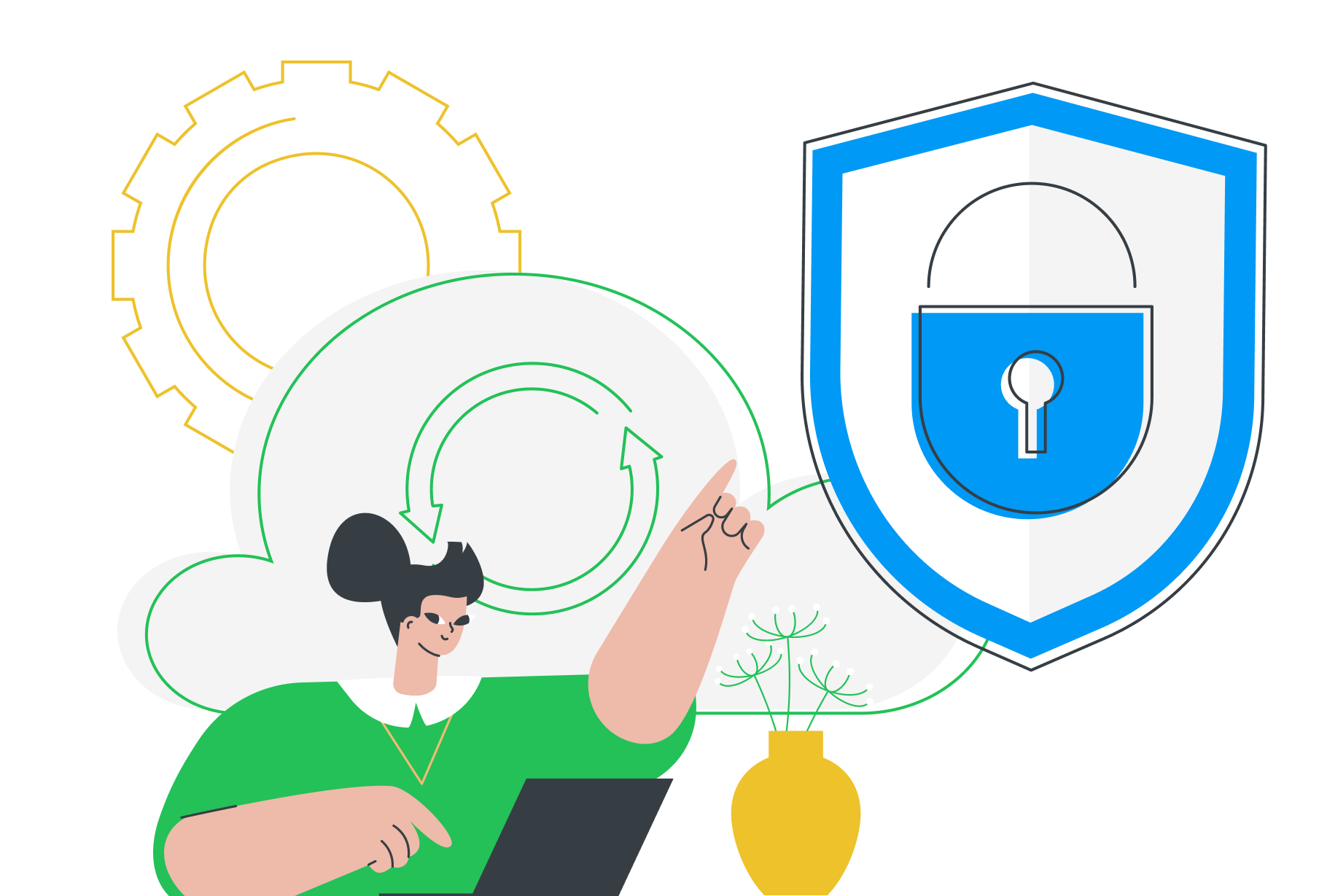
What are the types of data that financial institutions need to protect?
- Cardholder data
- Payment transaction data
- Customer account number
- Credit card number
- Purchase history
- Credentials
- and more
Why Financial Institutions Choose Safetica
Seamless Integration into Existing Infrastructure
Safetica is designed to integrate smoothly with your current IT systems, minimizing disruptions and ensuring a streamlined deployment process.

Persistent Data Protection
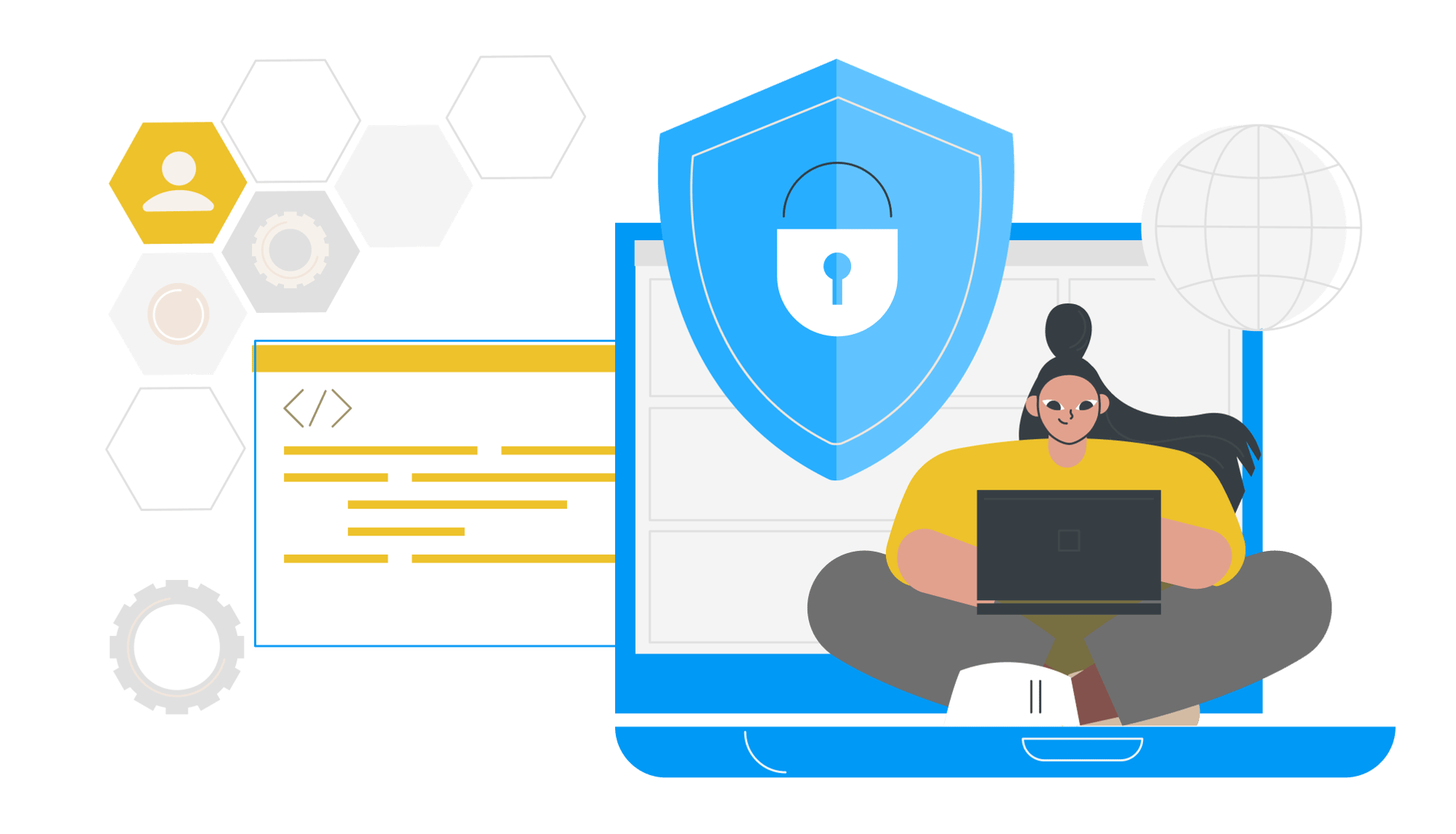
Our solution maintains data classifications even when files are archived, encrypted, or renamed, ensuring continuous protection against data leaks.
Flexible Deployment Options
Choose between on-premise installations for maximum control or cloud-based hosting for enhanced scalability and flexibility.
Safetica assists in meeting the strongest requirements of compliance:
Compliance with PCI-DSS
The Payment Card Industry Data Security Standard (PCI-DSS) is a standard developed to protect sensitive data related to payment cards and created using such cards.
Safetica can help you protect stored cardholder data, restrict access to it on a need-to-know basis, audit all access to network resources and cardholder data and much more.
How Safetica helps to comply with PCI-DSS
PCI-DSS Compliance Report
PCI DSS Regulation: The Scope, Purpose, and How to Comply
Compliance with GDPR
GDPR (General Data Protection Regulation) is a European Union personal data protection regulation. It is the strictest and most complex in the world. But we are here to help you!
With Safetica, it is easy to comply with strict GDPR requirements. You‘ll have a better overview of what‘s going on in your company, see how employees treat sensitive data, minimize the risk of personal data being misused, and when there‘s a security threat, you‘ll be notified in real time.
Are you in compliance with GDPR
How Safetica helps you to comply with GDPR
How to use Safetica to comply with GDPR
What is GDPR? The scope, purpose, fines and how to comply
GDPR vs CCPA: Key Benefits and Differences
Compliance with ISO/IEC 27001
ISO/IEC 27001 is an Information Security Management Standard (ISMS) jointly published by the International Organization for Standardization and the International Electrotechnical Commission. ISO 27001 lays out how businesses should manage the risks associated with information security threats, including policies, procedures, technical measures, and staff training.
Safetica can help you with your security audit, data classification, setting up policies to protect your sensitive data, or managing your company assets.
How Safetica helps to comply with ISO/IEC 27001
ISO 27001/IEC 27001: The Scope, Purpose and How to Comply
Protect More. Disrupt Less.
Try Safetica Now.
.png?width=1809&height=1229&name=teatch_fin%20(1).png "teatch_fin (1)")