Data Loss Prevention in Fintech: Risks, Regulations & Best Practices
Effective cybersecurity requires a comprehensive and holistic approach. Such an approach layers multiple controls across different attack surfaces,...
With businesses relying heavily on technology to drive innovation and efficiency, the importance of robust cyber security practices cannot be overstated. Recognizing this imperative, The Saudi Arabian Monetary Authority (SAMA) has introduced a Cyber Security Framework designed to fortify the nation's financial systems and critical industries against cyber threats.
Throughout this guide, we'll explore the key components, control domains, and maturity levels of SAMA’s framework, while also providing tips and insights on how to achieve compliance with its requirements.
The Cyber Security Framework, established by the Saudi Arabia Monetary Authority in 2017, serves as a comprehensive guideline for financial institutions operating within Saudi Arabia to enhance their cyber resilience and mitigate cyber security risks effectively. This framework outlines principles, objectives, and best practices that member organizations have to adhere to in order to maintain the integrity of the financial sector and protect the sensitive data that these organizations hold.
These are the key components of the framework:
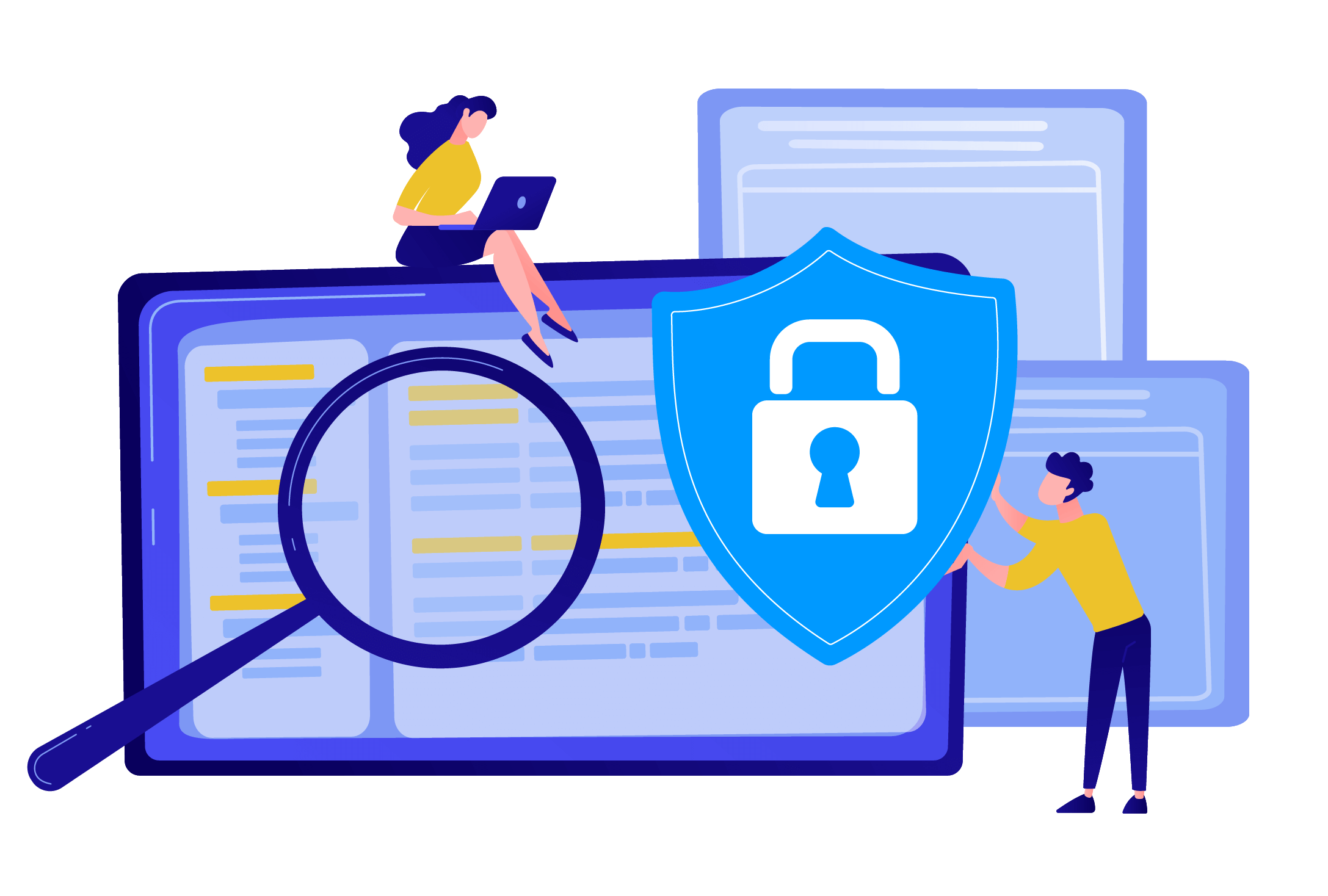
The SAMA Cyber Security Framework serves multiple purposes, including:
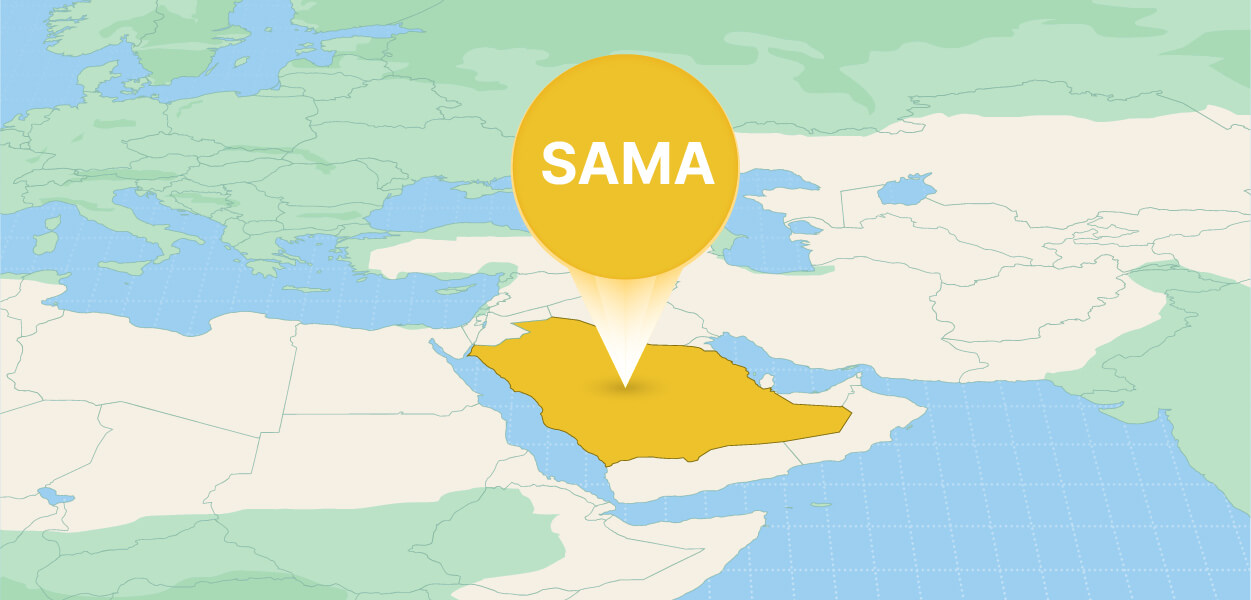
The SAMA Cyber Security Framework casts its net over all financial institutions operating within Saudi Arabia's borders. This includes banks, insurance companies, investment firms, and other entities knee-deep in financial activities regulated by SAMA. Through mandating compliance with the framework's guidelines, these organizations are tasked with bolstering their cyber security defenses and curbing risks effectively.
Entities operating beyond Saudi Arabia's borders may not feel the framework's regulatory grip unless they're dabbling in financial activities within the kingdom.
The SAMA Cyber Security Framework operates on a risk-based approach. This means it outlines key cyber security principles and objectives for Member Organizations to achieve. While it offers a list of mandated control considerations, organizations are encouraged to adapt these controls to their specific context.
Member organizations must conduct periodic self-assessments based on a questionnaire provided by SAMA. The results undergo review and audit by SAMA to evaluate compliance with the framework and assess the organization's cyber security maturity level.
The maturity level of member organizations is measured using a predefined model with six levels: 0 through 5. These levels represent a progression in cyber security capabilities, with higher levels indicating greater maturity and resilience. SAMA emphasizes the importance of reaching at least Level 3 maturity.
Advancing beyond level 3 requires a steadfast commitment to excellence and a proactive approach to cyber security. By embracing managed and measurable cyber security practices and fostering a culture of continuous improvement, organizations can enhance their resilience to cyber threats and data loss and contribute to the overall security of the financial sector in Saudi Arabia.
The SAMA Cyber Security Framework delineates a comprehensive set of control domains, each addressing specific aspects of cyber security within financial institutions.
Let's delve into the main control domains outlined in the framework:

This domain focuses on establishing effective governance structures and oversight mechanisms to ensure the alignment of cyber security initiatives with business objectives and regulatory requirements. Key components include:
Risk management is an ongoing process of identifying, analyzing, responding, and monitoring cyber security risks. The objective is to safeguard the confidentiality, integrity, and availability of information assets.
This domain encompasses the operational aspects of cyber security, including incident response, threat detection, and security monitoring. Key components include:

Access control and identity management are essential for safeguarding sensitive data and ensuring that only authorized users have access to critical resources. Key components include:
When Member Organizations rely on third-party services, ensuring the same level of cyber security protection is crucial. Third Parties include information services providers, outsourcing providers, cloud computing providers, vendors, suppliers, and governmental agencies. Specific considerations include:

As organizations embark on the journey to comply with the SAMA Cyber Security Framework, it's important to adopt a methodical approach. The framework outlines a series of best practices and measures designed to protect sensitive data, mitigate data loss risks, and uphold data security. Below, we delve into the fundamental steps that organizations should consider in their pursuit of compliance:
Safetica's user-friendly interface and customizable policies empower organizations to tailor their DLP strategies to align seamlessly with the requirements outlined in the SAMA Cyber Security Framework.
Safetica’s features include:

For organizations seeking a reliable partner in their journey towards SAMA compliance, Safetica stands as a trusted ally, offering innovative solutions and expert support every step of the way.
Take the first step towards strong data protection and regulatory compliance by exploring Safetica's DLP solutions today.
Effective cybersecurity requires a comprehensive and holistic approach. Such an approach layers multiple controls across different attack surfaces,...
Effective cybersecurity requires a comprehensive and holistic approach. Such an approach layers multiple controls across different attack surfaces,...
Effective cybersecurity requires a comprehensive and holistic approach. Such an approach layers multiple controls across different attack surfaces,...